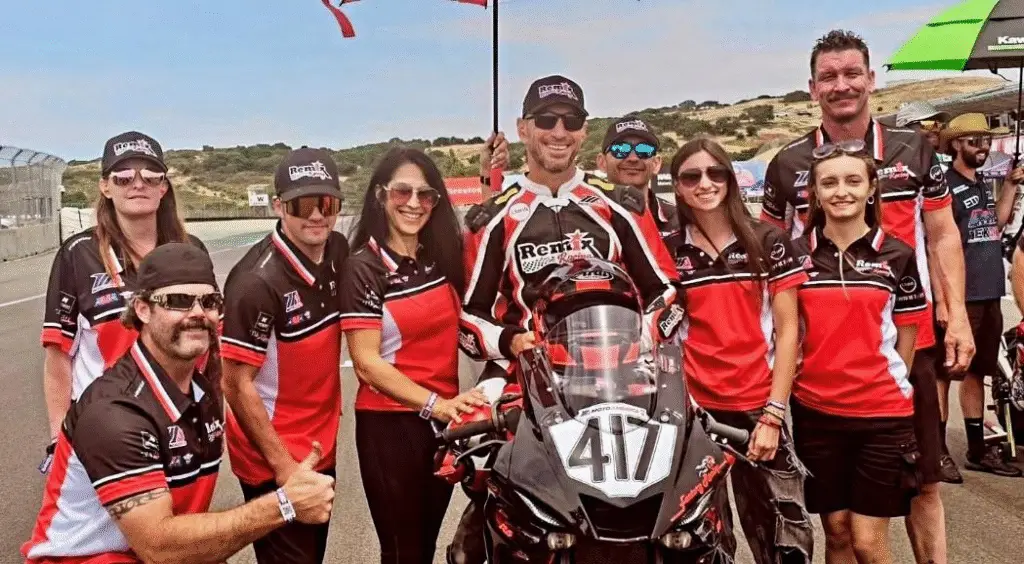
Racer Biography
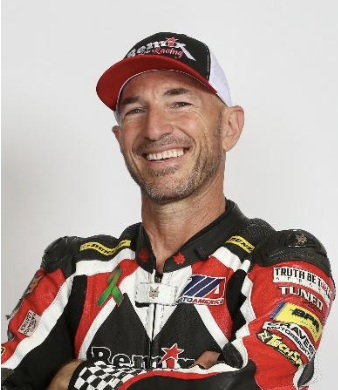
Jeremy Taubman is a professional motorcycle racer and Co-owner of Remix Racing. Since launching his racing career in 2018, Jeremy has racked up an impressive 52 single-race podiums, 18 championship podiums, and proudly carries the #10 plate in the California Roadrace Association (CRA).
He holds expert competition licenses with MotoAmerica, the American Federation of Motorcyclists (AFM), and CRA, establishing himself as a serious contender at both regional and national levels.
In 2024, Jeremy made his MotoAmerica debut in the Supersport class, stepping onto the national stage. In 2025, he leveled up to compete in the high-profile Super Hooligan class, where—despite skipping the first round of the 5-round season—he currently sits 17th in the overall championship standings heading into the final round.
Professional Biography
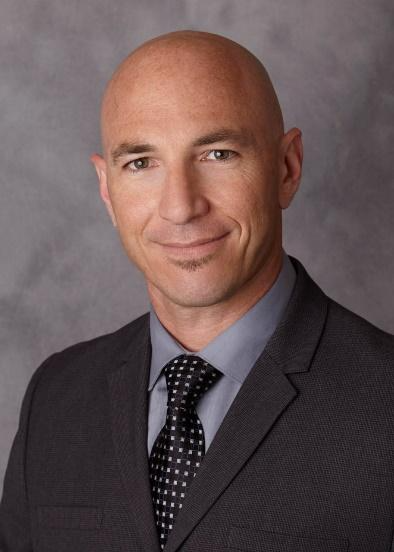
Jeremy Taubman, LCSW, CAS, is an accomplished addiction medicine psychotherapist and the Director of a Behavioral Health Partial Hospitalization and Intensive Outpatient Program at a large healthcare system in Concord, California. With over 19 years of extensive clinical and administrative experience, he is recognized for his leadership and commitment to advancing mental health and addiction recovery services.
In addition to his clinical expertise, Jeremy is a dedicated educator and advocate. He has served as an Assistant Clinical Professor in the Social Work Program at the University of the Pacific’s School of Health Sciences and has developed and delivered continuing education courses for a range of mental health and addiction treatment organizations.
Jeremy’s passion for community engagement is reflected in his role as Co-Founder and CEO of The Remix Racing Project, a nonprofit organization devoted to combating mental health and addiction stigma. He has also served as Treasurer on the Board of Directors for NAMI Contra Costa, where he contributed to advancing mental health advocacy and support.
A prominent voice in stigma reduction efforts, Jeremy has participated in numerous campaigns and is featured as a content expert in a stigma reduction video series. His dedication to fostering understanding and empathy culminated in the publication of Remix Recovery: Leading a Brave Space (July 2024), a guidebook designed to help individuals rediscover their authentic selves and cultivate supportive environments for transformative growth.
Through his multifaceted roles in clinical practice, education, community service, and authorship, Jeremy Taubman exemplifies a deep and unwavering commitment to improving lives affected by mental health and addiction challenges.
Personal Story
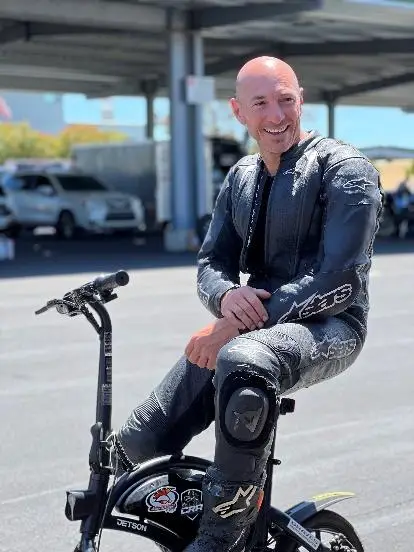
Since January 2003, I have been on a journey of healing and recovery from addiction. When I finally surrendered to the truth of how chaotic and unmanageable my life had become, I faced a very different kind of struggle – stigma. I knew that no matter how hard I was willing to fight to create a new future for myself, I would be subjected to negative judgment, criticism, aSince January 2003, I have been on a journey of healing and recovery from addiction. When I finally surrendered to the truth of how chaotic and unmanageable my life had become, I faced a very different kind of struggle – stigma. I knew that no matter how hard I was willing to fight to create a new future for myself, I would be subjected to negative judgment, criticism, and prejudice for my past. Fear of discrimination almost kept me from asking for help, but the fear that my life would continue to spin out of control was even greater. Fortunately, I found a community of compassionate, understanding, non-judgmental peers to help me build a strong foundation from which to start my new life. Stigma had been a barrier, but one that I was able to overcome with the support of people who understood my struggle, and how much courage it takes to build a brighter future after suffering so much darkness and despair.
I am filled with gratitude for all those who offered a helping hand, and I have been committed to paying it forward. I returned to school to earn a graduate degree in social work and started a new career in the field of behavioral health, serving people who suffer from mental health conditions and addictions. Throughout my new career, I have been an ardent champion in the fight against stigma and an advocate for the underserved on various healthcare reform committees. I have been awarded several grants to fund numerous stigma reduction campaigns within the healthcare system to reduce barriers to mental health and addiction treatment resources.
I began riding motorcycles at age 15 but stopped riding for many years as my addiction progressed. Early in my recovery journey, I rediscovered my passion for motorcycles. In fact, there were some who accused me of transferring my addiction from drugs and alcohol to motorcycles. It was not lost on me that being a motorcycle rider came with its own type of stigma, but as far as I was concerned, this was a good trade, since riding had become my “throttle therapy” and likely kept me sober, which meant it also saved my life..
The Remix Racing Project
I crave competition, but after the race is over, even my fiercest on-track rivals are some of my closest friends in the paddock. I love the camaraderie, mutual support, and being part of a community of like-minded people. Over the years, I’ve come to realize that many in this racing family have their own stories of mental health or addiction struggles. Like me, they’ve been drawn to motorcycle racing not just for the thrill, but for the clarity, connection, and sense of purpose it brings.
In my professional life, I’ve seen how stigma can be dismantled with the right approach—especially when supported by individuals and organizations committed to protecting the rights, dignity, and well-being of people facing mental health and addiction challenges. In my racing life, I’ve been fortunate to meet many others who share that same commitment. I believe deeply that motorcycle racing has the potential to be more than a sport—it can be a powerful platform for hope, a catalyst for change, and an invitation for others to join the fight against stigma.
It quickly became clear that riding motorcycles offered something profoundly therapeutic—but just as powerful was the sense of belonging I found within these communities of kindred spirits. Here, for the first time, I wasn’t weighed down by the toxic stigma that had been such a persistent barrier to healing and progress elsewhere.